
Woolbrae Development
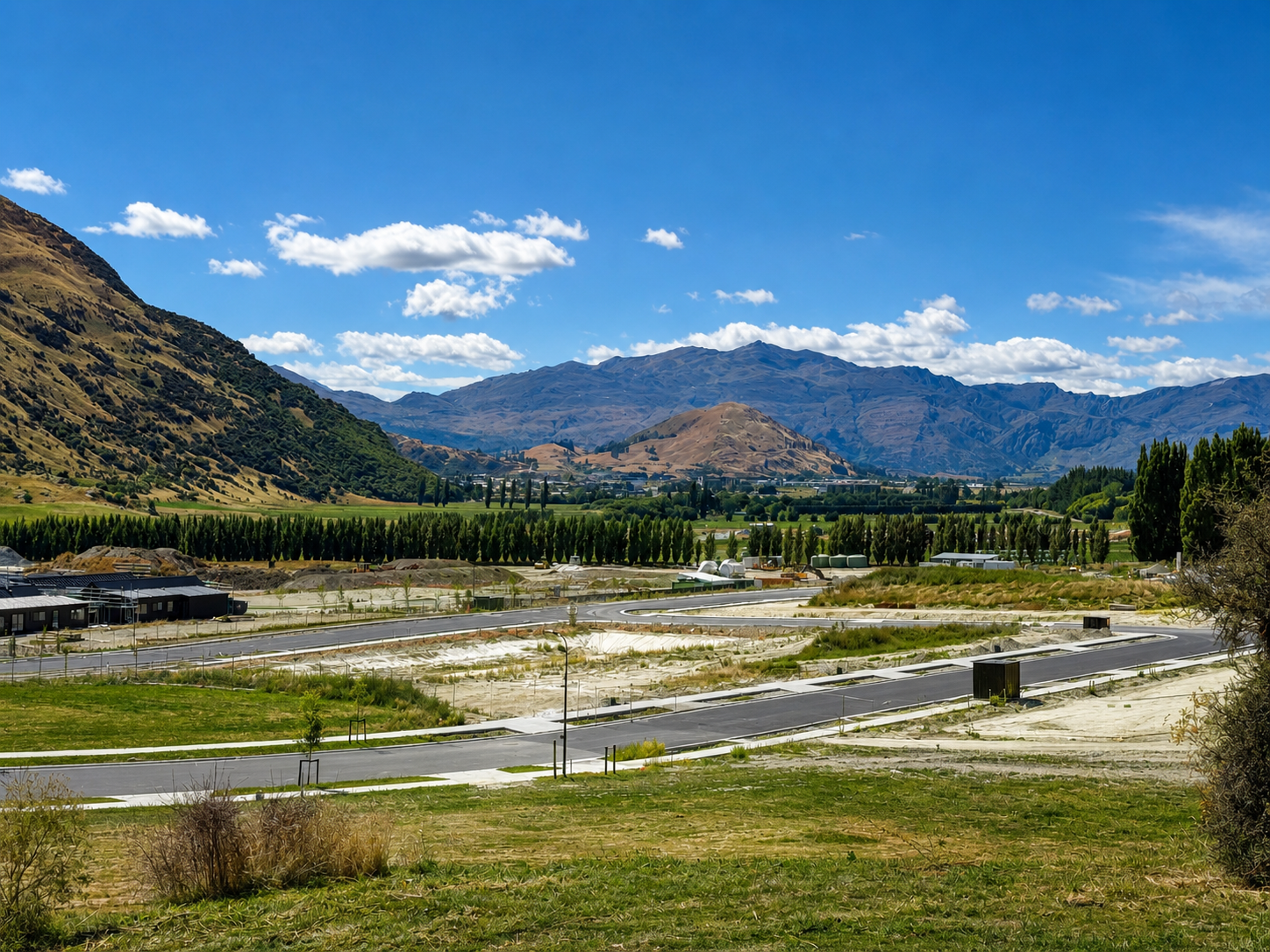
Queenstown, Otago
Description of works
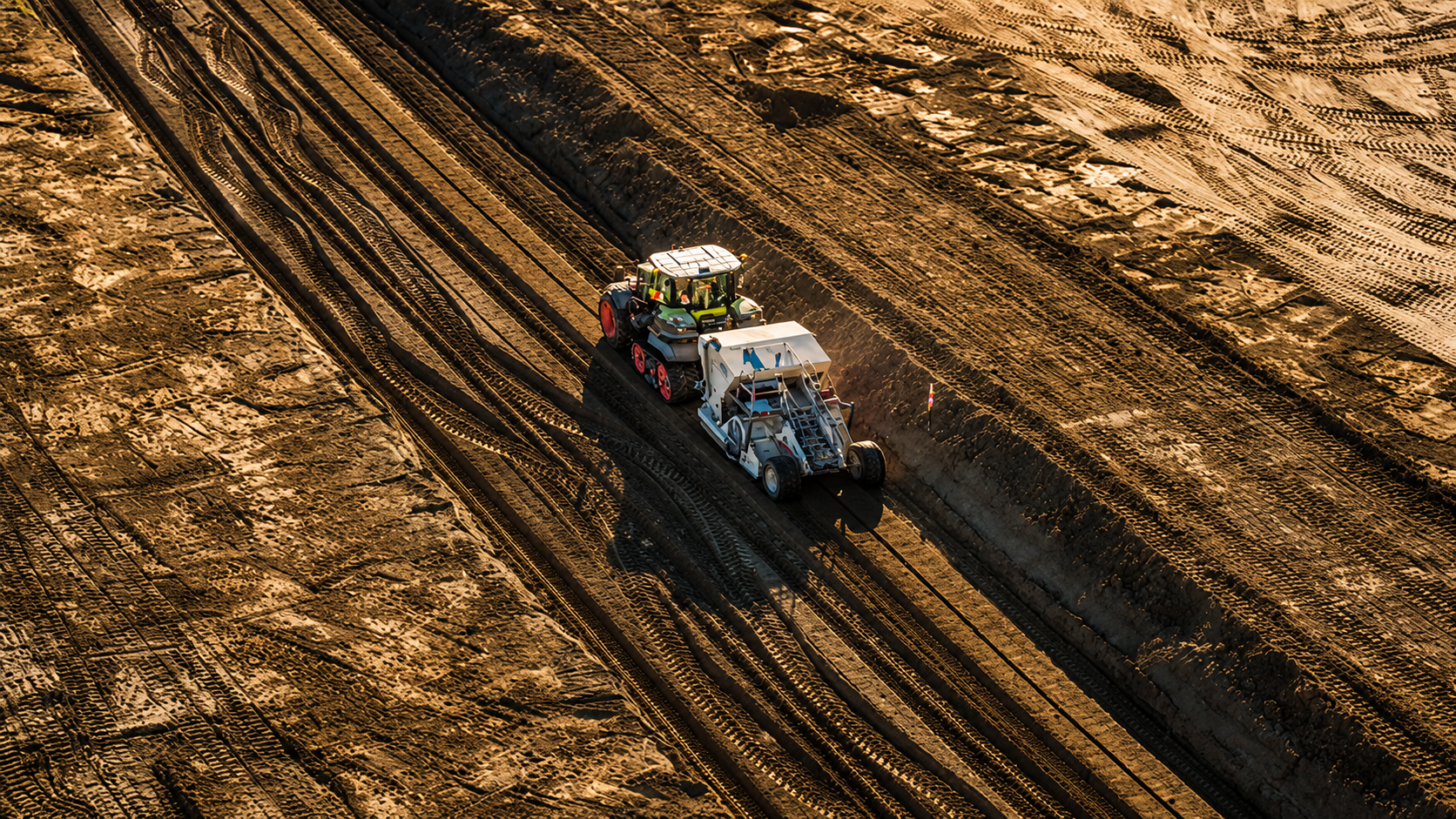
Ground improvement of 120,000m2 using lime - a more sustainable and cost-effective technique to digging out and replacing unsuitable ground with the stabilisation improving the 0 to 3% CBR ground to over 25% CBR.
Key challenges
Challenging subgrade conditions
High plasticity/sensitivity
High moisture content
Need for ‘good ground’ for all stages of construction
Need for sturdy environmental controls
Methodology
The methodology began with laboratory bench testing of site-won materials to assess the performance of different binder combinations and ratios. This was followed by a series of controlled field trials that commenced in 2023, allowing the process to be refined and the most effective binder blend and construction approach to be confirmed. The final trial replicated a full-scale construction methodology, using excavated site material that was dried, treated with natural binders, placed in layers, mixed to achieve a consistent blend, and compacted to meet the required design levels. This staged approach allowed the ground improvement method to be tested, refined, and proven under real site conditions before being applied across the works.
The impact is measurable
Faster construction timeframes and significant cost savings
Up to 60% reduction in working hours of carbon emitting machinery.
Approximately 150,000m³ of fill avoided, reducing earthworks related road truck movements on local roads by 50%, saving approximately 2400 truck movements in 12 months.
Protection from erosion and reduced dust production and elimination of the use of geosynthetics
Reduced pressure on local infrastructure and local dump sites.
A New Zealand-centric approach; using New Zealand resources to build and improve New Zealand infrastructure.